
An evening at Munich’s latest three-star address
Earlier this year, Tohru in der Schreiberei became the second restaurant in Munich to hold three Michelin stars. I was excited to be invited to find out more*.
© Tohru in der Schreiberei
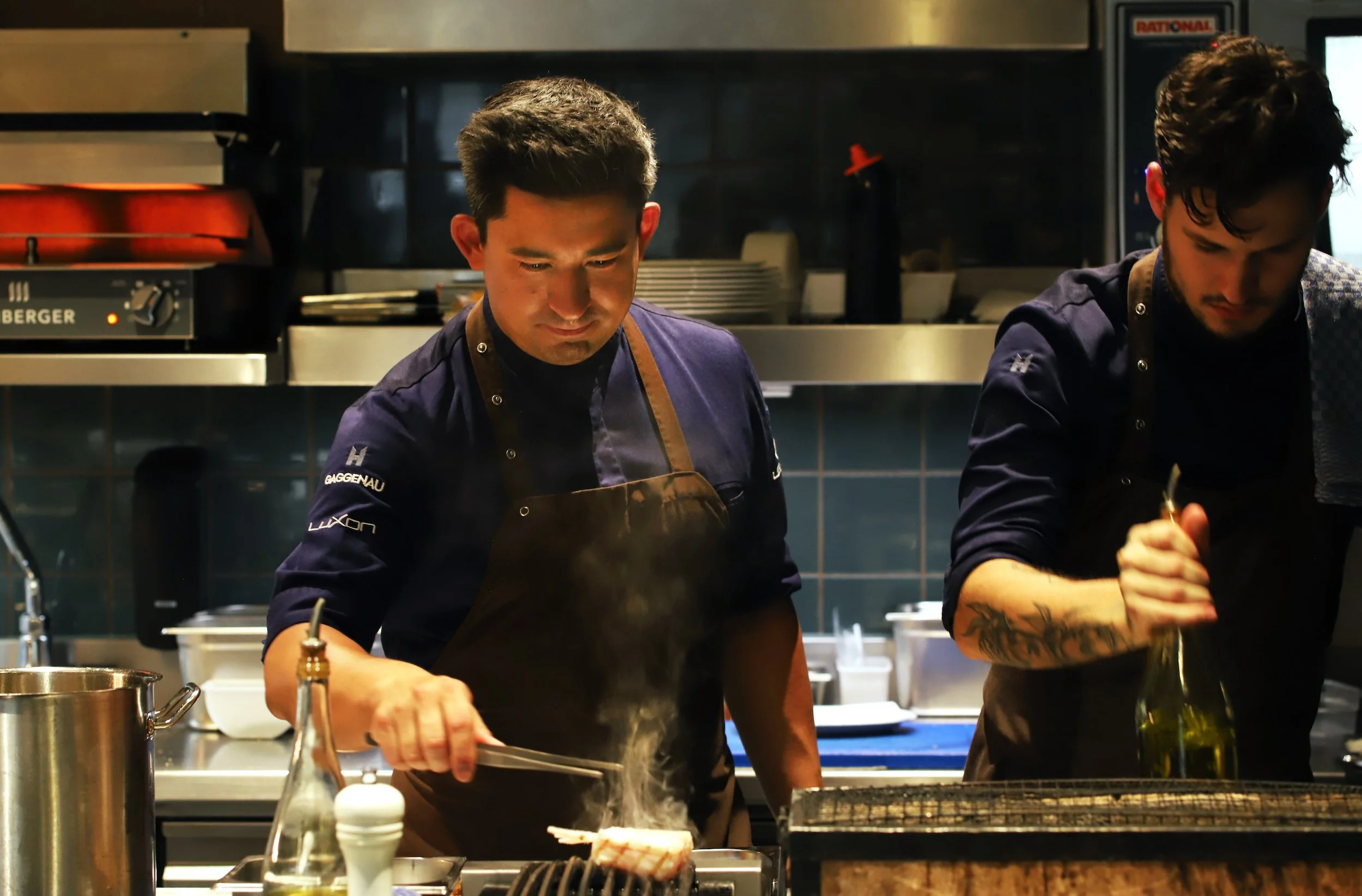
“When service begins at 7pm, it feels like the curtain going up in the theatre,” renowned Munich chef Tohru Nakamura tells me. Last-minute nerves? Of course, but he knows how to manage them by now. “If everything is just right, from the length of my sleeves to the tightness of my apron strings, then I’m fine too - my work clothes are a bit like a costume, even my armour,” he says.
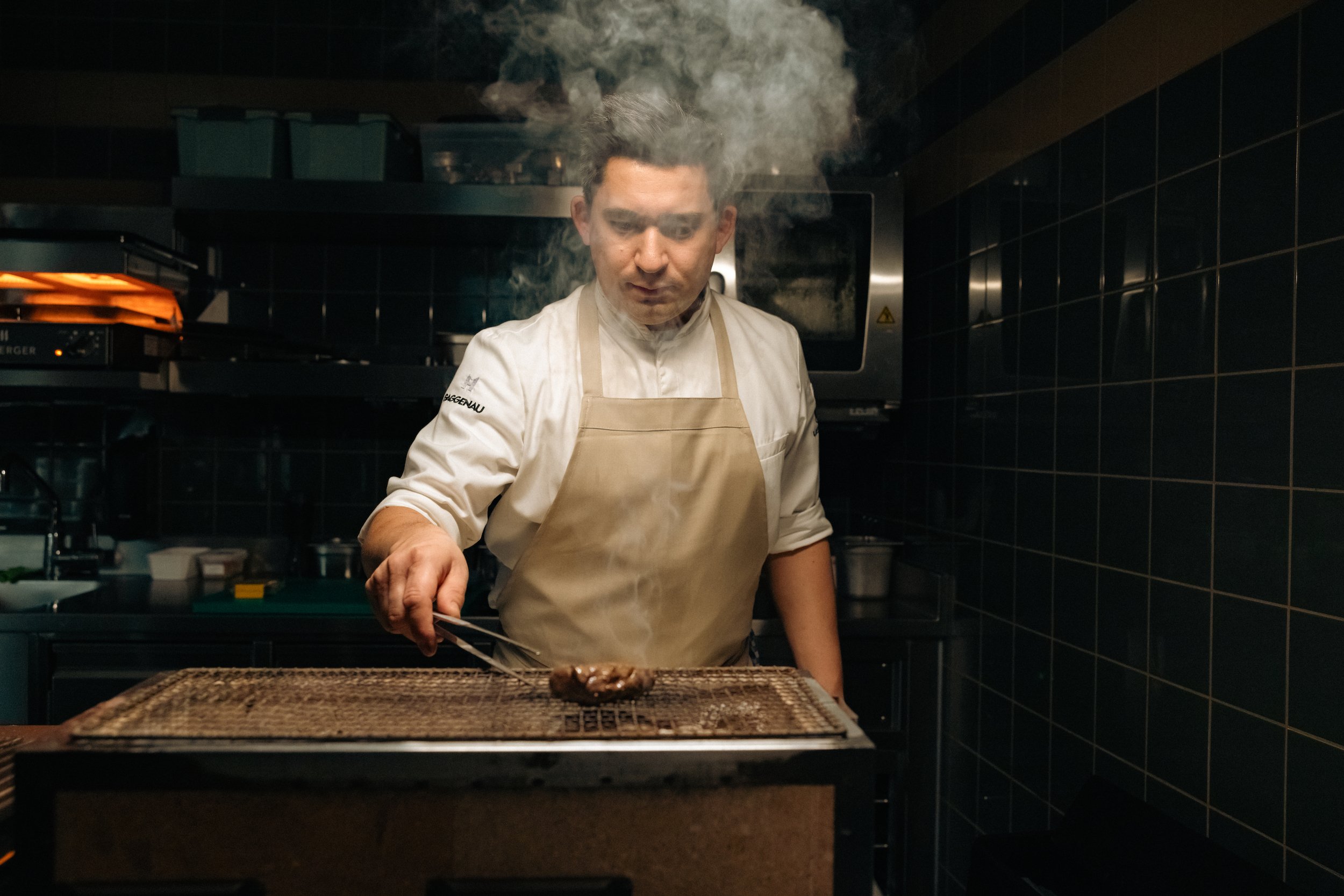
I first meet Tohru in the restaurant’s compact kitchen, where all guests are invited to take a quick look behind the scenes before the ten-course dinner begins. Standing between large polished saucepans and flaming hot coals, he and his sous chef are happy to pose for a photo and certainly appear very calm from the outside.
© Tohru in der Schreiberei
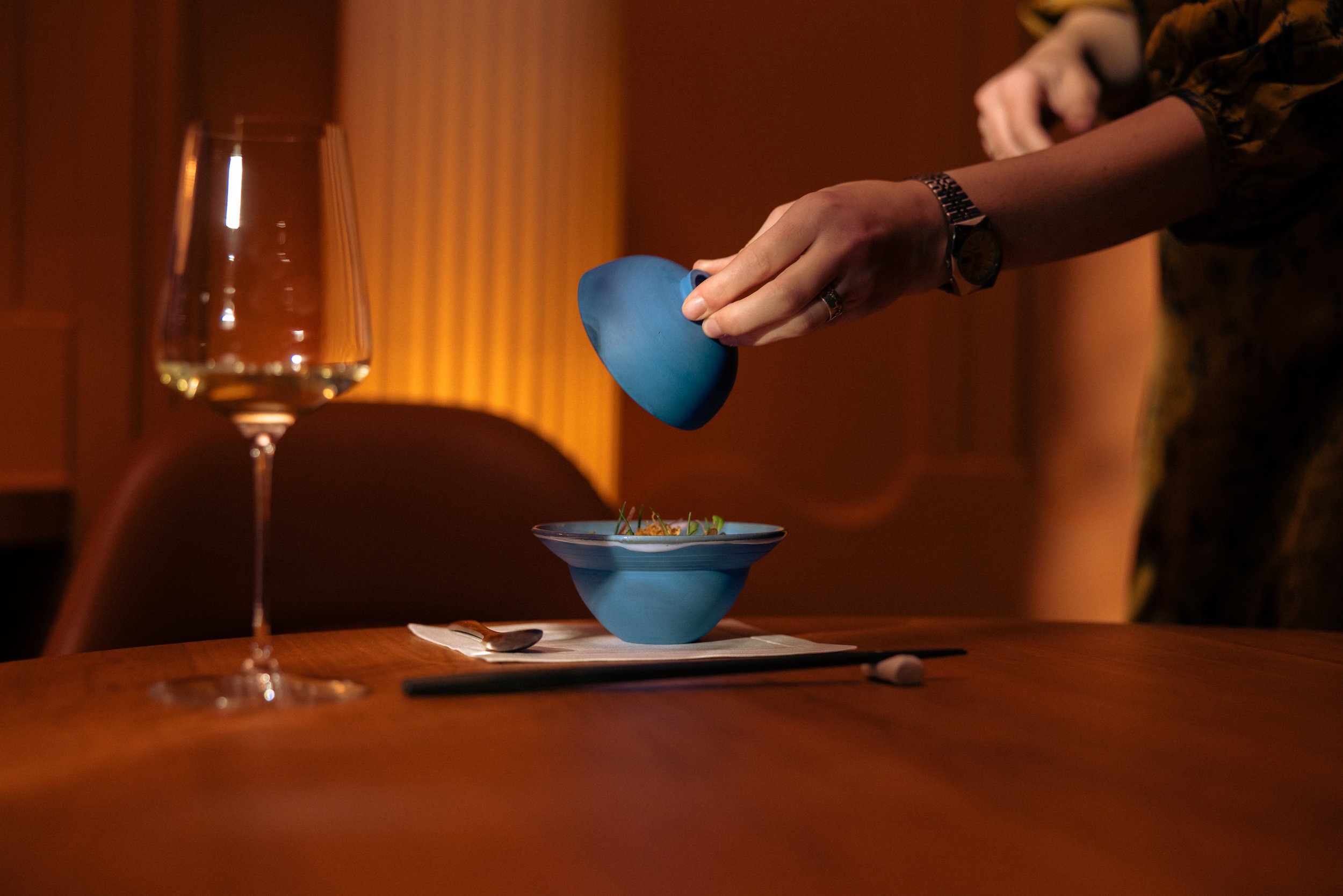
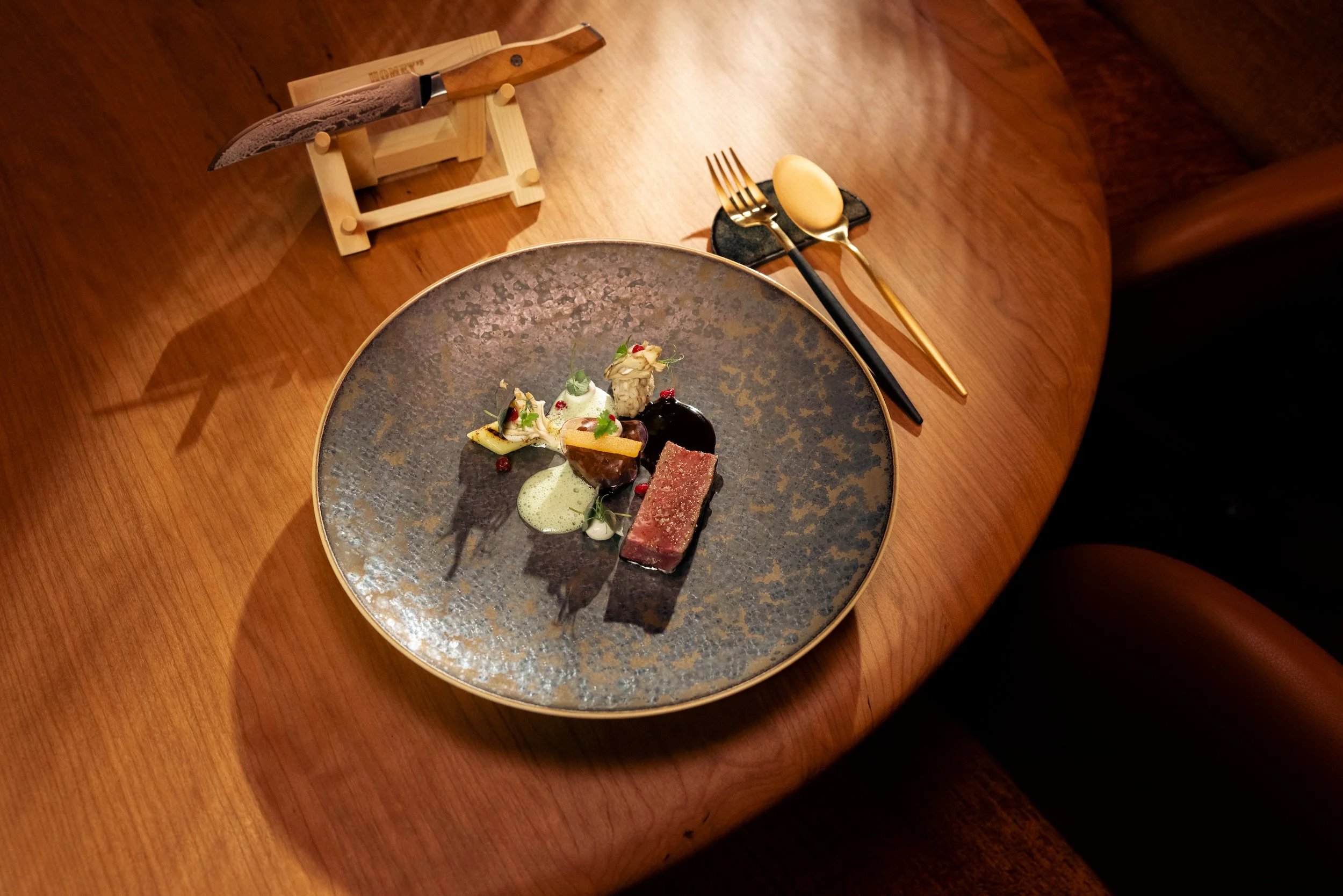
Back at the table, the dishes start to arrive. The creations, often plated using chopsticks, are presented on everything from coarse salt to delicate shells, with other ingredients wrapped in a rich jus or resting on a pillow of rice.
Fish courses, such as grilled eel topped with golden brown caviar or Wadden Sea mussels with pumpkin and kaffir lime, give way to heartier plates of lamb from the Poltinger estate in Lower Bavaria and pork from local organic farm Herrmannsdorf Landwerkstätten. The former is served with artichoke, figs and Macvin, the latter with anchovies, aubergine, dried sardines and mikan (Japanese mandarines).

© Tohru in der Schreiberei
With a Japanese father and German mother, Tohru is known for combining top European cuisine with Japanese touches. “Interestingly, it’s often the Japanese influence that people remember the most, even if it’s not that significant,” Tohru explains. “As soon as we make dishes with a little butter or Western cooking methods, it's no longer Japanese in my opinion.”
Tohru also steers away from a reliance on technology or dishes that are too complex. “I want our guests to understand what’s happening and be part of the experience,” he says. “We don't have signature dishes, but we do have certain signature products or suppliers,” he adds.

© Tohru in der Schreiberei
The final flourish is dessert. Coming with its own separate menu, the “okashi” is a selection of sweet bites arranged on a striking sharing plate. Highlights include the madeleines topped with pickled carrots and the fresh dim sim served with a tart plum sauce.
The full picture
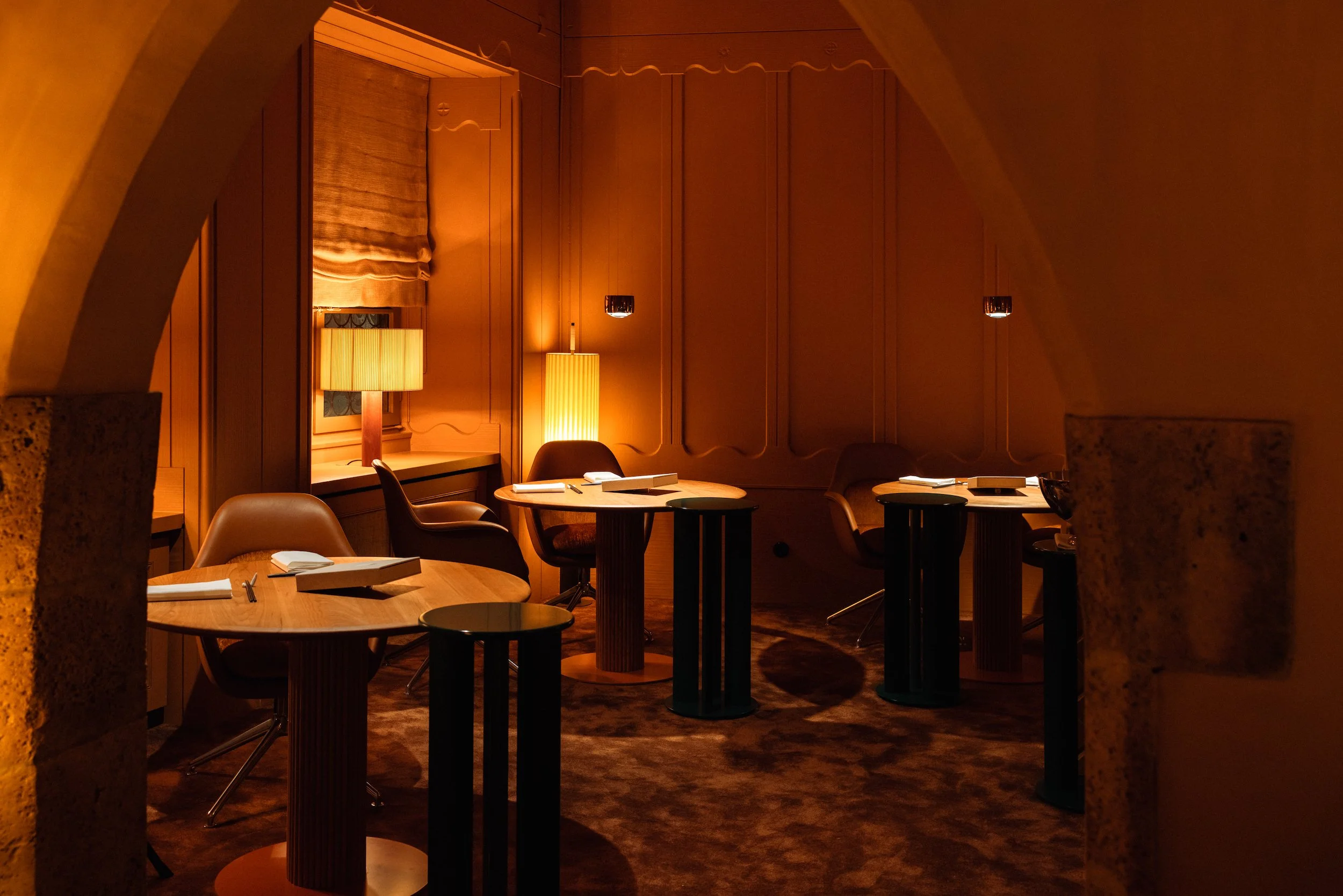
Tohru’s highly-focused attention to detail continues well beyond his attire. “I have sat in every single chair in the restaurant to see how it is to be there all evening; you can only notice problems with lighting when you really look at the room from every perspective,” he explains.
© Tohru in der Schreiberei
Getting the temperature right is a slightly bigger challenge. As the restaurant is situated on the first floor of Munich's oldest town house dating back to 1552, formerly a chancery or notary office (die Schreiberei means “writing place), there are very tight regulations when it comes to renovations and installations. There is no air conditioning.
For Tohru, fine dining goes far beyond the food. It’s about the location, the atmosphere and the music. “I want people to go home happy and relaxed - I like to see people’s mood gradually improving over the evening.”
© Tohru in der Schreiberei
The new star in town
Tohru refers to the third star as his best result, rather than his biggest achievement, and is highly aware of the many other key successes throughout his career that have led to this point. “When I first became head chef at the Werneckhof for example, I couldn’t believe I was responsible for a whole kitchen,” he chuckles.
“Three stars also command a certain level of respect and reflection,” he explains, “there was little time for naive joy or euphoria when we found out.” Ever since the announcement in Frankfurt in summer 2025, they have been fully booked every night, with an increasing number of guests travelling to Munich just to visit the restaurant.
© Tohru in der Schreiberei
Tohru is acutely aware of the balance between meeting the expectations of returning customers and impressing those who will most likely only visit once.
In the end it's about maintaining consistency he says. “It's not just about being good once, but every single evening, for every guest, on every plate.” The metaphorical curtain and the pre-show nerves are what help him achieve this: “The moment I lose that healthy stage fright is the moment it becomes dangerous!”
More info
Address: Burgstraße 5, 80331 Munich
Website: https://schreiberei-muc.de/tohru
*I was hosted by Tohru in der Schreiberei for this piece and invited to try the dinner free of charge.